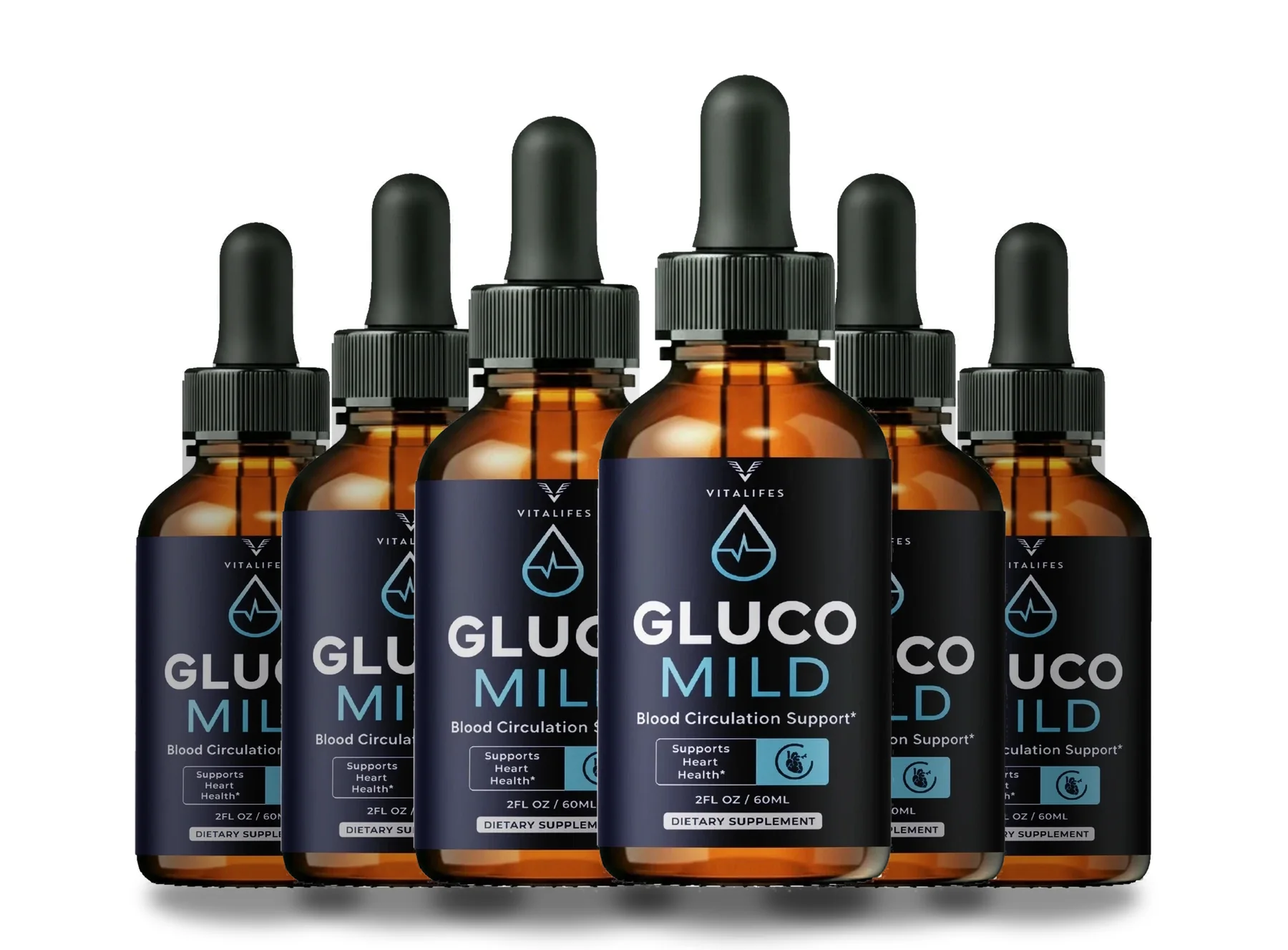
Gluco Mild Official Website › Ingredients
IngredientsGluco Mild Ingredients: The Seven Botanicals Inside
Gluco Mild is made from seven botanical extracts named on the seller's ingredient graphic.
Gotu kola and Chinese hawthorn lead the list, followed by horse chestnut, stone root, motherwort, butcher's broom and grape seed. The graphic does not list an amount for each one.
To see what the plants are for, read the Gluco Mild benefits.
Every name on the seller's graphic, what each plant is, and what the published research on it actually measured.
What is actually inside the Gluco Mild bottle?
One graphic, seven names, and a note about what is beside them.
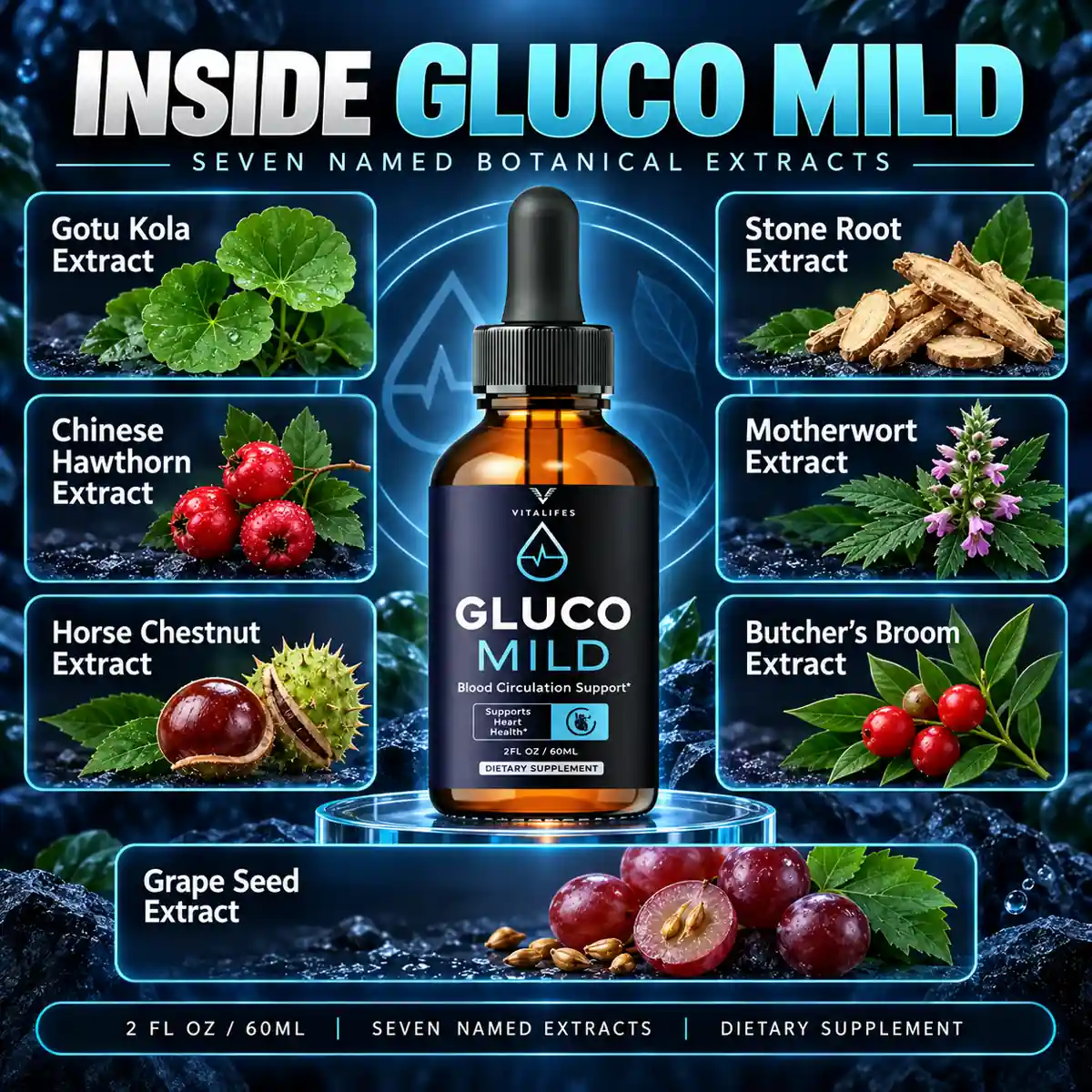
The seller ships one graphic that answers this question and it is reproduced here. It is headed INSIDE GLUCO MILD, it carries the words SEVEN NAMED BOTANICAL EXTRACTS, and it lists them in a fixed order with an illustration beside each.
Two things about it are worth knowing before reading the cards below. The first is that the seven names on it match the seven in the distributor's own paperwork exactly, in the same sequence, which is not something that can be taken for granted. The second is that the graphic carries no column of quantities at all: it is a list of names, and there is no Supplement Facts panel anywhere in the artwork to supply one.
The seven botanicals on the Gluco Mild label, one at a time
Each name, the part of the plant it comes from, and the research that gave it a reputation in the first place.
Gotu Kola Extract
Centella asiatica, leafNo amount printedA creeping marsh plant whose leaf has been used across South and South-East Asia for centuries and whose modern file is small, old and unusually precise about quantity. The trials did not test the leaf. They tested a standardised total triterpenic fraction, which is a concentrate of four named molecules pulled out of it, and the dose-ranging work compared 90 mg a day against 180 mg a day in people with venous hypertension. The larger figure read better on ankle swelling and on capillary leak.
What that buys a reader here is a rare thing in botanical research: a published opinion about how much. The 2021 review of the plant walks through the chemistry those numbers were standardising. A leaf extract in a dropper is a different preparation with a different concentration, and the graphic gives no figure to line up against either one.
Chinese Hawthorn Extract
Crataegus, fruitNo amount printedThe red fruit of a thorn tree, dried and extracted, and the only ingredient on this list with a two-year randomised trial behind it. That trial used 900 mg a day of a standardised extract called WS 1442, gave it to 2,681 people who were already receiving prescribed treatment for heart failure, and ran for 24 months.
Read that sentence twice before deciding what it says about a dropper. The benefit-risk assessment of the same extract treats it as a pharmaceutical preparation, because in Germany that is what it is. Hawthorn is the strongest name on this graphic and the one whose evidence sits furthest from the way this bottle is bought and taken.
Horse Chestnut Extract
Aesculus hippocastanumNo amount printedSeed extract from the conker tree, standardised in every serious study to escin, a mixture of saponins that a 2023 chemical account describes as dozens of closely related molecules rather than one compound. Escin is what makes the preparation work and also what makes it worth taking after food.
Its clinical record is the tidiest in the category. The Cochrane review gathered seventeen randomised trials and concluded that horse chestnut seed extract reduces leg pain, swelling and itching against placebo in chronic venous insufficiency. The trials that did it were counted in milligrams of escin, which is the one number this graphic cannot supply.
Stone Root Extract
Collinsonia canadensis, rootNo amount printedA North American woodland mint whose root reached the shelf through nineteenth-century practice rather than through trials. The whole modern literature is a 1999 paper isolating a new flavanone from the plant, and the historical record is represented here by an 1887 note in the British Medical Journal.
No randomised trial of stone root exists, in circulation or in anything else, at any quantity. This desk says so on the ingredient it would be easiest to say nothing about, and no effect is claimed for it anywhere on this website.
Motherwort Extract
Leonurus cardiacaNo amount printedA square-stemmed mint named for the heart in both halves of its Latin binomial, which is a statement about tradition rather than about evidence. The update to the European assessment report and a review of its phytochemistry both describe long traditional cardiotonic use, alkaloids and flavonoid glycosides, and laboratory pharmacology in cells and animals.
What neither describes is a randomised cardiovascular trial in people, because there is not one. Traditional use is a reason a plant is on a label. It is not a result, and this website does not print it as one. The one hard consequence of what is in motherwort is a safety point rather than a benefit, and who it is for states it by name.
Butcher’s Broom Extract
Ruscus aculeatus, rootNo amount printedA stiff Mediterranean shrub whose rootstock carries ruscogenins. A twelve-week placebo-controlled trial in 148 women measured leg volume rather than asking people how they felt, which is why it is quoted so often, and a 2025 review of the plant sets out the chemistry behind it.
One caveat travels with this name everywhere. Most of the pooled evidence is for a combination product in which butcher's broom is given with hesperidin methyl chalcone and vitamin C, so the result belongs to the three together. Neither of the other two is on this graphic.
Grape Seed Extract
Vitis vinifera, seedNo amount printedThe seed left behind by winemaking, extracted for proanthocyanidins, and the most studied name on the list outside hawthorn. A twelve-week trial in prehypertension measured how well the lining of an artery relaxes, and a formal safety evaluation of the extract covers what happens at quantities far above what any supplement delivers.
Grape seed is also where this product's name becomes awkward, and the awkwardness is answered on the benefits page rather than avoided. It is the one ingredient of the seven with published glycaemic work behind it, and that work is not a claim this label makes.
How the Gluco Mild seven sort into three different jobs
Seven names is a list. Four groups is an explanation, and it is what the evidence actually looks like when it is sorted.
Three that hold a vein in shape
Horse chestnut, butcher's broom and gotu kola are venoactive, which is a category with its own Cochrane review. They are the reason this formula reads as a leg-and-vein product to anyone who knows the field, and they carry most of its human evidence between them.
One that belongs to the heart literature
Hawthorn sits on its own. Its trials were run in diagnosed heart failure, alongside prescribed medicine, at a standardised quantity, over years. It is the reason the second line on the front label mentions heart health rather than legs.
One that belongs to the vessel lining
Grape seed is studied for what happens inside an artery rather than inside a vein: flow-mediated dilation, blood pressure, and the behaviour of proanthocyanidins in the bloodstream. Different tissue, different measurements, genuine research.
Two that are here on tradition
Stone root and motherwort have no randomised human trial between them. They are traditional inclusions in exactly the sort of formula this is, and saying so is more useful than borrowing a sentence from the plants beside them.
Why the plant part matters on the Gluco Mild list
Half of what a botanical does is decided by which part of it went into the extractor, and this list names the part four times out of seven.
| Botanical | Part named | Part the research used | Do they agree? |
|---|---|---|---|
| Gotu kola | Leaf | A standardised fraction concentrated from the leaf | Same tissue, different preparation |
| Chinese hawthorn | Fruit | Leaf and flower in the WS 1442 trials | Different tissue |
| Horse chestnut | Not stated on the graphic | Seed, standardised to escin | Unstated here |
| Stone root | Root | No trial exists | Nothing to compare |
| Motherwort | Not stated on the graphic | Aerial parts in the pharmacology | Unstated here |
| Butcher's broom | Root | Rootstock extract | Agree |
| Grape seed | Seed | Seed, extracted for proanthocyanidins | Agree |
The left two columns are read off the seller's graphic and the distributor's paperwork. The third is what the cited studies used.
Two rows deserve a sentence each, because they are the rows where a buyer who knows the field will slow down.
Hawthorn is the sharper of the two. The famous extract, WS 1442, is made from leaf and flower. This graphic says fruit. Chinese hawthorn fruit is a real traditional material with its own history in food and medicine, and it is not the material the two-year trial used. The heart-failure result belongs to leaf and flower.
Horse chestnut is the softer one. The graphic gives no part, and the whole venoactive record belongs to the seed rather than to the bark or the leaf. Escin comes out of seeds. There is no reason to think a maker buying horse chestnut extract for a circulation formula bought anything else, and there is also nothing printed that says so.
What standardisation would add to the Gluco Mild list
The word that separates a list of plants from a list of quantities.
Every ingredient card above that carries a real trial carries a standardised extract inside that trial. Gotu kola was standardised to its total triterpenic fraction. Hawthorn was standardised as WS 1442. Horse chestnut was standardised to escin. Grape seed was standardised to proanthocyanidins. Butcher's broom was measured in ruscogenins.
Standardisation is the promise that a given weight of extract carries a given weight of the molecule the research was about. Without it, two bottles bearing the same plant name can differ by an order of magnitude and both be telling the truth. It is the reason the phrase 'contains gotu kola' carries so much less information than it appears to.
This graphic prints plant names. A buyer comparing it against another bottle is therefore comparing names against names, which is the level the category mostly operates at. Where a competing label prints a marker compound and a percentage, that label is telling you something this one is not, and that is worth more than a longer list of plants.
Something in the form: Horse chestnut seed extract (standardised to 20% escin) 300 mg. Three facts in one line, the part, the marker and the weight. Any of the seven names above could be written that way by a maker who wanted to, and none of them is here.
Honest dosage analysis of the Gluco Mild ingredient list
This is the section where the gap in this product's paperwork is stated. It is stated here once and the rest of this website gets on with describing the bottle.
The right-hand column reading the same on all seven rows is the finding, not a hole in the table. This bottle names seven botanicals and gives a daily quantity for none of them, so nothing in the left-hand column can be matched to anything in this product.
There is a second problem stacked on top of the first, and it is specific to the format. Every figure on the left is a weight in milligrams. This product is measured in drops. Even a label that printed a milligram total for the bottle would still leave a reader converting drops into weight, and no conversion is offered anywhere on the artwork. Two drops is a volume of roughly a twentieth of a millilitre, and what is dissolved in it is the question the label does not answer.
The fair conclusion is narrower than it first sounds. It is not that this formula is underdosed, because that would be a claim about a quantity nobody has published. It is that the trial evidence quoted for these plants cannot be transferred onto this bottle by anybody, including the seller, and that a buyer should treat the seven names as a description of what kind of product this is rather than as a promise of what it will do.
What a Gluco Mild bottle contains besides the seven
Seven names account for a fraction of what is in a 60 ml dropper bottle. Here is what makes up the rest, and where to ask.
A liquid supplement is mostly not its actives. Something has to carry them, keep them in solution and stop the bottle spoiling between the first drop and the last. On most dropper products that means a glycerine or ethanol base, sometimes water, sometimes a trace of a natural flavour.
None of that appears on this artwork. There is no other-ingredients line, no allergen statement, no note about alcohol content, and nothing about whether the base is vegetable glycerine or something else. For most buyers the question never comes up. For anyone avoiding alcohol for religious or medical reasons, or managing a specific allergy, it is the deciding question and the artwork will not settle it.
The route to an answer is the order desk on +1 (302) 200-3480, with the lot number from the base of the bottle in front of you. That is a slower answer than a printed line, and it is the only one available.
- The base liquid, which is usually named on the physical label even when the marketing graphics leave it out.
- The lot code and the best-before date, both stamped rather than printed, usually on the base or the shoulder.
- Whether the dropper is graduated. A marked pipette turns a vague serving into a measurable one.
- The manufacturer's mark, VITALIFES, which is the name to quote if you ever need to ask the maker something the retail desk cannot answer.
Gluco Mild ingredient questions
How many ingredients does Gluco Mild have?
Seven botanical extracts are named on the seller's ingredient graphic: gotu kola, Chinese hawthorn, horse chestnut, stone root, motherwort, butcher's broom and grape seed. The distributor's paperwork names the same seven in the same order. A liquid also needs a carrier base, and that is not part of the seven.
Does the Gluco Mild label print how much of each ingredient is in it?
It prints no quantity for any of them, and there is no Supplement Facts panel in the artwork to carry one. Every dose comparison on this website therefore runs one way: here is what the published trials used, and here is a bottle that has given no figure to set beside it.
Is there a proprietary blend in Gluco Mild?
A proprietary blend is a named mixture with a single total weight beside it, which hides the split between ingredients while still declaring a quantity. This label does something different: it names the plants individually and declares no quantity at all for any of them.
Which Gluco Mild ingredient has the strongest evidence?
Horse chestnut seed extract, for leg symptoms specifically. Its Cochrane review is the clearest positive result in this category. Hawthorn has the largest trial by a distance, but it was run in diagnosed heart failure alongside prescribed treatment, which is a different question from the one a supplement buyer is asking.
Which Gluco Mild ingredient has the weakest?
Stone root, and it is not close. There is no randomised trial of it for anything. Motherwort is second: real traditional use, real laboratory pharmacology, no randomised cardiovascular trial in people.
Are the Gluco Mild ingredients standardised?
Nothing in the artwork says so. The trials behind these plants used standardised extracts almost without exception, and standardisation is the link between a plant name and a repeatable amount of the molecule the research was about. Where a label is silent, a buyer is comparing names rather than quantities.
Is grape seed in Gluco Mild there for blood sugar?
No. Grape seed has published glycaemic work behind it, which this website cites rather than hides, but the label makes no glucose claim of any kind and neither does this desk. In a formula that also contains horse chestnut, butcher's broom and gotu kola, grape seed is plainly there for the vessel-lining research it shares with them.
Does Gluco Mild contain anything from an animal?
Every one of the seven named extracts is botanical. The carrier base is not described on the artwork, and a glycerine base can be sourced from either plants or animal fat, so a strict vegan buyer needs the physical bottle or a call to the order desk rather than this list.
Sources behind the Gluco Mild ingredient list
Each study named above, in the order of the ingredient it belongs to.
- De Sanctis MT, Belcaro G, Incandela L, et al. Treatment of edema and increased capillary filtration in venous hypertension with total triterpenic fraction of Centella asiatica: a clinical, prospective, placebo-controlled, randomized, dose-ranging trial. Angiology. 2001;52 Suppl 2:S55-9. PMID 11666125. https://pubmed.ncbi.nlm.nih.gov/11666125/
- Torbati FA, Ramezani M, Dehghan R, et al. Ethnobotany, Phytochemistry and Pharmacological Features of Centella asiatica: A Comprehensive Review. Adv Exp Med Biol. 2021;1308:451-499. PMID 33861456. https://pubmed.ncbi.nlm.nih.gov/33861456/
- Holubarsch CJ, Colucci WS, Meinertz T, et al. The efficacy and safety of Crataegus extract WS 1442 in patients with heart failure: the SPICE trial. Eur J Heart Fail. 2008;10(12):1255-63. PMID 19019730. https://pubmed.ncbi.nlm.nih.gov/19019730/
- Holubarsch CJF, Colucci WS, Eha J. Benefit-Risk Assessment of Crataegus Extract WS 1442: An Evidence-Based Review. Am J Cardiovasc Drugs. 2018;18(1):25-36. PMID 29080984. https://pubmed.ncbi.nlm.nih.gov/29080984/
- Pittler MH, Ernst E. Horse chestnut seed extract for chronic venous insufficiency. Cochrane Database Syst Rev. 2012;11(11):CD003230. PMID 23152216. https://pubmed.ncbi.nlm.nih.gov/23152216/
- Savarino P, Colson E, Andre J, et al. Horse Chestnut Saponins-Escins, Isoescins, Transescins, and Desacylescins. Molecules. 2023;28(5):2087. PMID 36903330. https://pubmed.ncbi.nlm.nih.gov/36903330/
- Stevens JF, Ivancic M, Deinzer ML, et al. A novel 2-hydroxyflavanone from collinsonia canadensis. J Nat Prod. 1999;62(2):392-4. PMID 10075799. https://pubmed.ncbi.nlm.nih.gov/10075799/
- Shoemaker JV. Collinsonia Canadensis. Br Med J. 1887;2(1396):712-3. PMID 20752052. https://pubmed.ncbi.nlm.nih.gov/20752052/
- Fierascu RC, Fierascu I, Ortan A, et al. Leonurus cardiaca L. as a Source of Bioactive Compounds: An Update of the European Medicines Agency Assessment Report (2010). Biomed Res Int. 2019;2019:4303215. PMID 31119169. https://pubmed.ncbi.nlm.nih.gov/31119169/
- Wojtyniak K, Szymanski M, Matlawska I. Leonurus cardiaca L. (motherwort): a review of its phytochemistry and pharmacology. Phytother Res. 2013;27(8):1115-20. PMID 23042598. https://pubmed.ncbi.nlm.nih.gov/23042598/
- Vanscheidt W, Jost V, Wolna P, et al. Efficacy and safety of a Butcher's broom preparation (Ruscus aculeatus L. extract) compared to placebo in patients suffering from chronic venous insufficiency. Arzneimittelforschung. 2002;52(4):243-50. PMID 12040966. https://pubmed.ncbi.nlm.nih.gov/12040966/
- Pacula W, Sowa I, Feldo M, et al. Current Insights into the Phytochemistry and Pharmacological Properties of Ruscus aculeatus. Molecules. 2025;30(22):4394. PMID 41302473. https://pubmed.ncbi.nlm.nih.gov/41302473/
- Odai T, Terauchi M, Kato K, et al. Effects of Grape Seed Proanthocyanidin Extract on Vascular Endothelial Function in Participants with Prehypertension: A Randomized, Double-Blind, Placebo-Controlled Study. Nutrients. 2019;11(12):2844. PMID 31757033. https://pubmed.ncbi.nlm.nih.gov/31757033/
- Yamakoshi J, Saito M, Kataoka S, et al. Safety evaluation of proanthocyanidin-rich extract from grape seeds. Food Chem Toxicol. 2002;40(5):599-607. PMID 11955665. https://pubmed.ncbi.nlm.nih.gov/11955665/
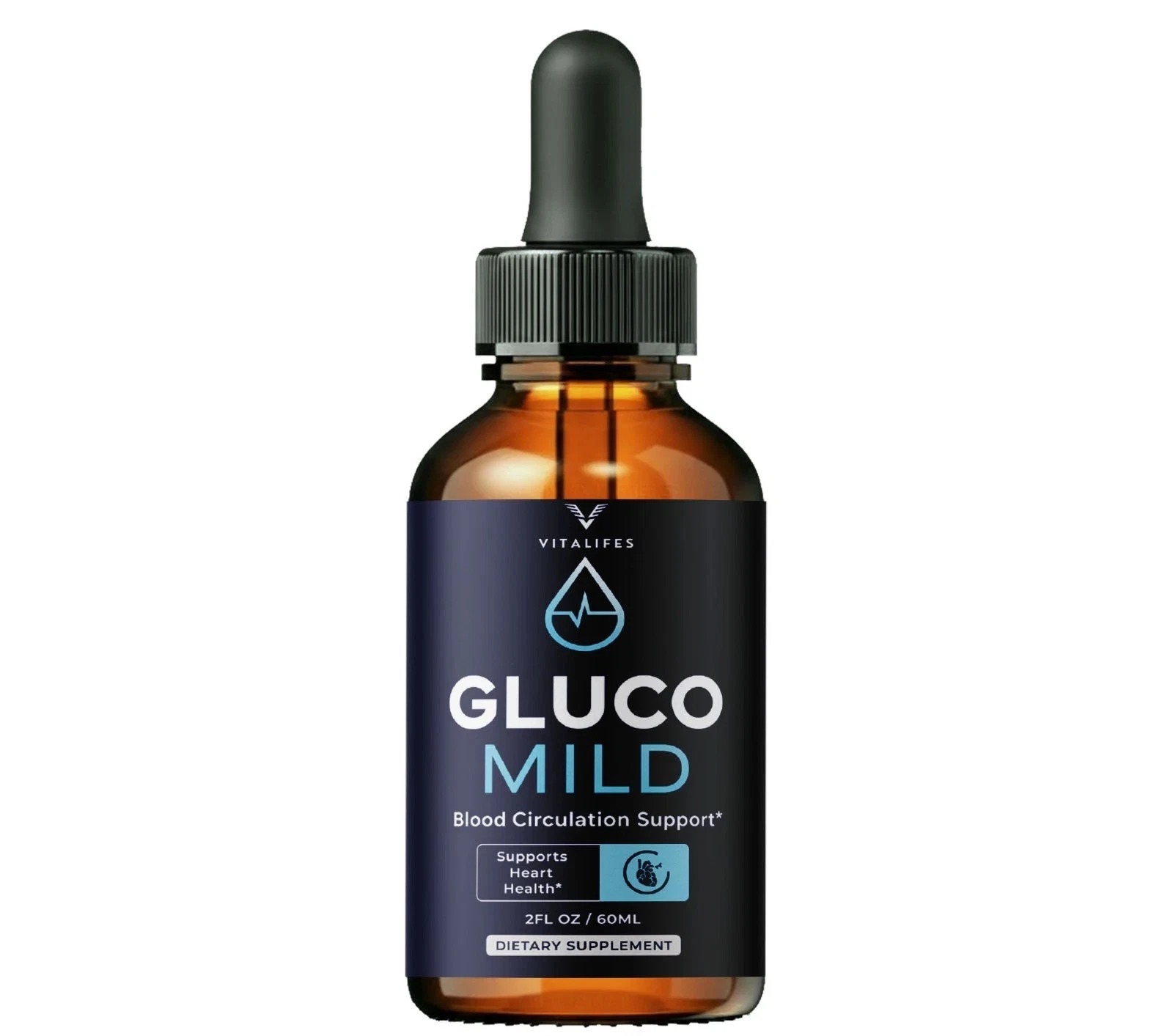
Order Gluco Mild with the seven names in front of you
Seven botanical extracts, two drops a day after a meal, and a 2 fl oz amber dropper bottle. The price and the return window are the ones the marketplace listing prints at its own checkout.
Seven named botanicals · 2 fl oz (60 ml) · price and return window shown at checkout
Order Gluco Mild On The Official WebsiteTwo drops daily after a meal · 2 fl oz (60 ml) a bottle · lot GLU-26/TH-7250