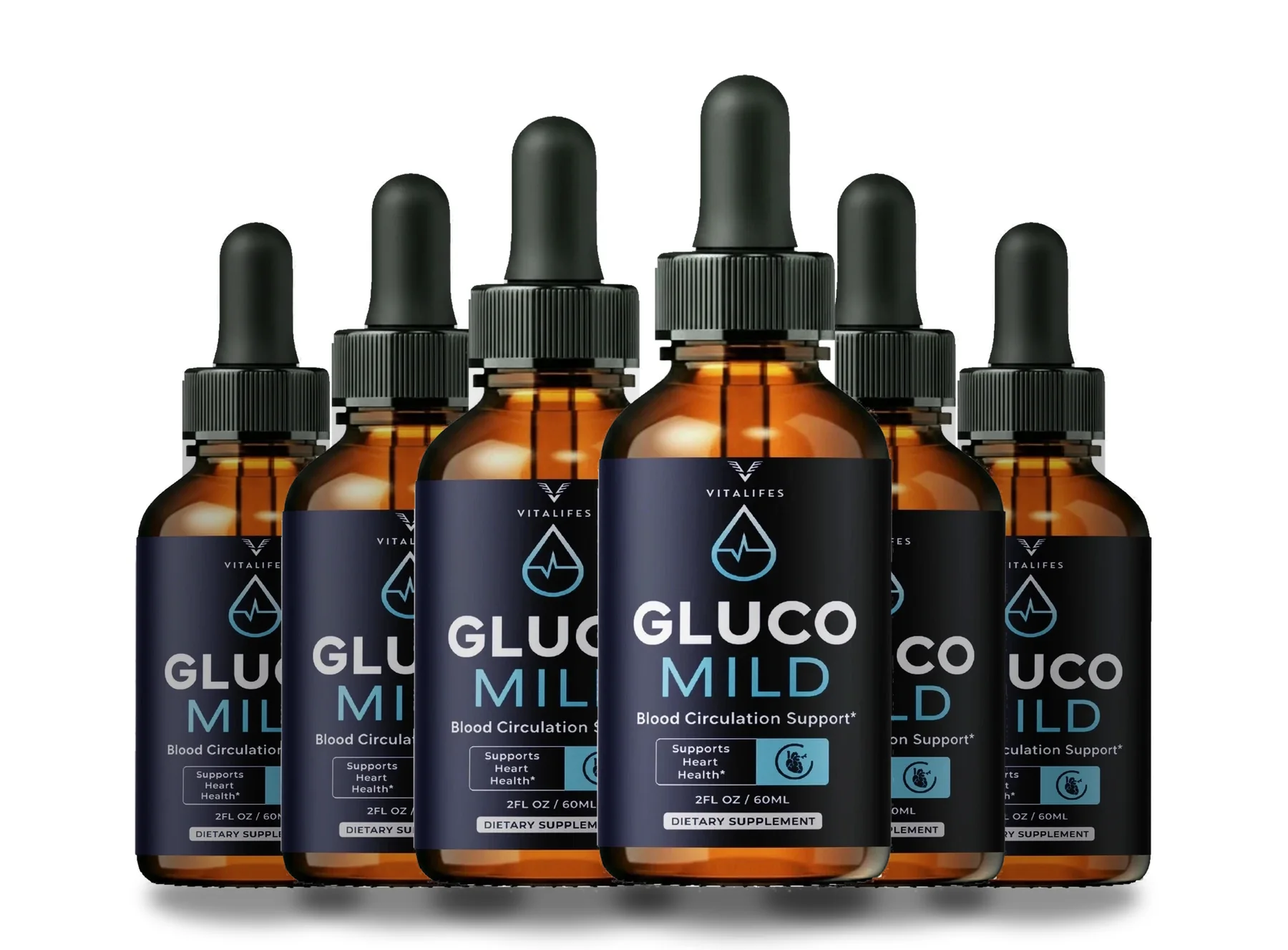
Gluco Mild Official Website › Blog › Is Gluco Mild Safe? 6 Checks
Is Gluco Mild Safe? 6 Checks On Side Effects And Medicines
Quick answer. Gluco Mild is not for anyone under 18, pregnant, nursing or trying to conceive. Two interactions need a doctor's word first: hawthorn with digoxin, and grape seed with blood thinners. Most effects reported for the plants are mild and digestive. Work through the six checks below, and never exceed the label.

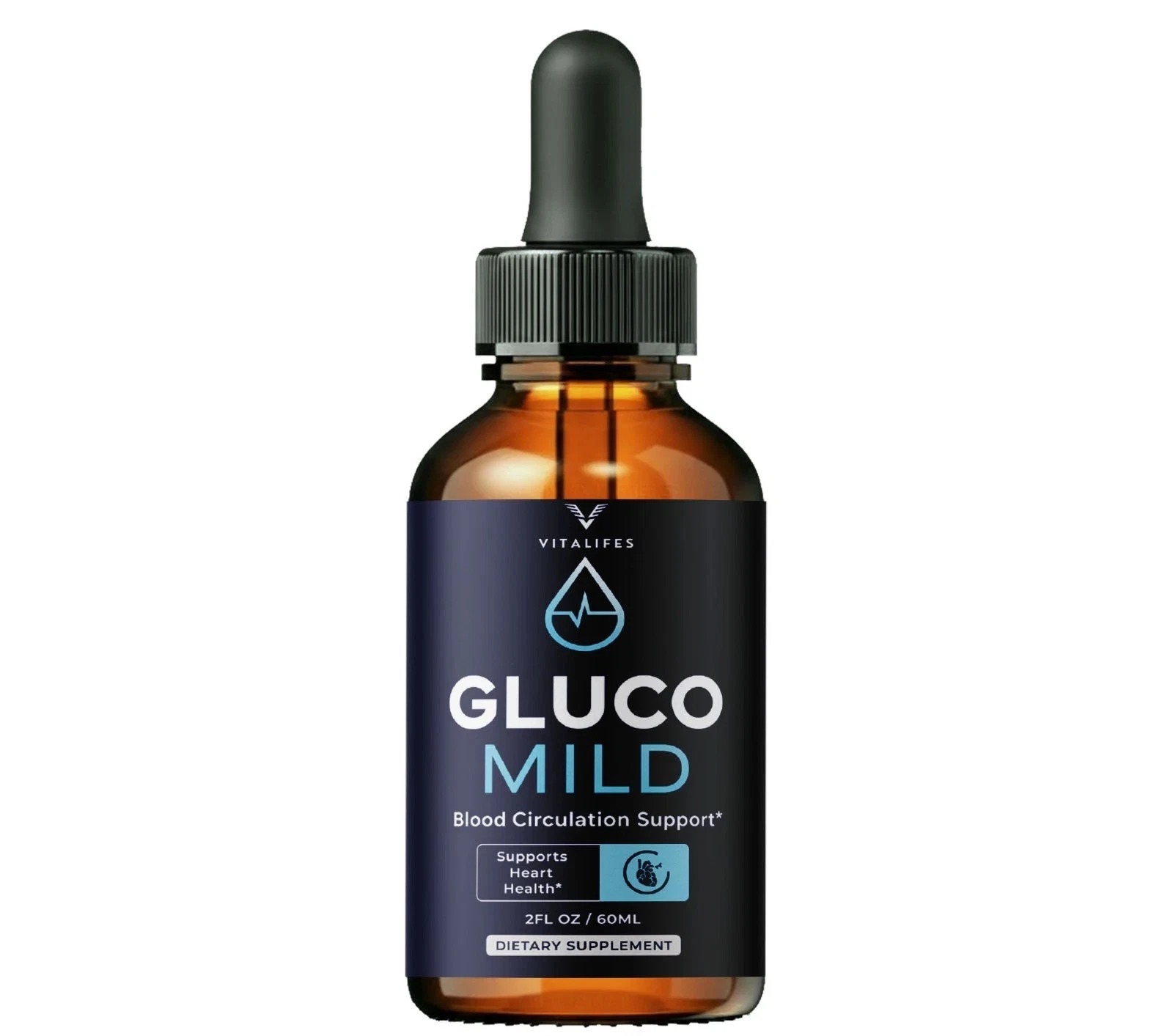
Read the safety notes, then the checkout
The order page lets you see the price and return window, and none of it replaces a talk with your own doctor.
See today’s price and guaranteeDisclosure: this website is a retailer and earns money when you buy through its checkout. Not FDA approved, like every supplement. Two drops daily after a meal · 2 fl oz (60 ml) a bottle.
- Not for anyone under 18, pregnant, nursing or trying to conceive, because compounds in motherwort act on the muscle of the womb.
- Hawthorn interacts measurably with digoxin, as studied in people.
- In laboratory work, grape seed polyphenols slow clotting and platelet activity.
- In horse chestnut trials the usual complaints were stomach upset, dizziness and itching.
- No amount is printed for any ingredient, so published rates belong to the trials and not to this bottle.
- Gluco Mild is a dietary supplement without FDA approval. Medical questions belong with your own doctor.
How safe is Gluco Mild overall?
Each of the seven plants carries its own safety record, and five have been through controlled trials that counted side effects. The pattern across them is unexciting: upset stomach, now and then nausea, headache, dizziness and, in a few people, a rash.
Two interactions rise above that background, and one group is ruled out entirely. Six checks cover them here. This is general information and not medical advice, because your own doctor knows your history and a website does not.
One limit applies to every sentence. No ingredient has a printed amount, so rates from trials belong to those trials, at their stated daily amounts, and cannot be carried over to two drops of this liquid by arithmetic.
Check 1: Are you in a group that should not take it?
- Anyone under 18, since the product is made for adults and no studies in children exist for these extracts.
- Anyone pregnant, nursing or trying to conceive. This rule is firm: alkaloids and flavonoid glycosides in motherwort act on the muscle of the womb.
- Anyone whose real concern is blood sugar, which the label does not address.
- Anyone with a new swollen leg that is hot, red or painful on one side. That needs a clinician now, not a supplement.
Check 2: Do you take digoxin or any prescribed heart medicine?
Hawthorn was given together with digoxin to healthy volunteers, and measured blood levels moved. The authors judged the change small enough to be tolerable there, yet still worth noting.
Digoxin works within a narrow range, so anything that nudges its level calls for a word with whoever prescribed it. The hawthorn trials were also run next to prescribed heart treatment and not instead of it. Never stop or change a prescribed medicine because of a supplement. Take the bottle, or a photo of the seven-name graphic, to your appointment.
Check 3: Do you take warfarin, another blood thinner or aspirin?
A laboratory study found that grape seed polyphenols slowed both clotting and platelets in human plasma. That is bench work, not a result in people taking two drops, yet it deserves a mention in any talk about warfarin, apixaban, clopidogrel or a daily aspirin taken on instruction.
A review of warfarin and supplements found thin evidence made up mostly of case reports. Thin evidence does not mean no risk when a drug needs blood tests because its margin is narrow. Tell your surgeon or dentist what you take before planned surgery or an extraction.
Check 4: Do you have liver or kidney disease?
Isolated case reports link gotu kola to liver injury after long, unsupervised use. Stop and see a clinician if skin or eyes turn yellow, or if you feel unusually tired with dark urine. For horse chestnut, anyone with kidney or liver disease should treat the bottle as off the list.
If either condition applies to you, take the decision to your doctor before the first drop.
Check 5: What mild side effects are on record?
| Botanical | What the record shows | What to do |
|---|---|---|
| Gotu kola (leaf) | Nausea and stomach upset at trial doses. Rare liver reports | Stop for yellowing skin or eyes |
| Chinese hawthorn (fruit) | Mild and infrequent: dizziness and digestive complaints | Raise digoxin and heart medicines with the prescriber |
| Horse chestnut | Itching, nausea, headache in trials | Take after food. Avoid with liver or kidney disease |
| Stone root (root) | Nothing can be said at any amount | Claim no effect and no safety |
| Motherwort | Drowsiness, rarely a rash, and uterine effects | Not in pregnancy, nursing or when trying to conceive |
| Butcher's broom (root) | Stomach discomfort and nausea | Stop if it does not settle |
| Grape seed (seed) | Headache, dizziness, nausea at low rates | Say so before surgery and blood thinners |
The record belongs to the plants at the doses of the trials. The seller publishes no side-effect data for this bottle.
Check 6: What should you do if the drops disagree with you?
Stop for three days
Digestive effects usually fade within days of stopping. Three clear days teach you more than a fortnight of guessing.
Try once more with a proper meal
The label says after a meal for a reason, and a dose taken on an empty stomach is not a fair test.
Write down what and when
Record the start date, how it felt and what else changed that week, because any appointment will ask for it.
Get alarming signs looked at
A spreading rash, yellow skin or eyes, or a hot, swollen, painful calf on one side should not be waited out.
Call the order desk about the bottle separately
Does it suit you, and can you return it? These are two questions, and the order desk on +1 (302) 200-3480 deals with the second.
Should you take more than two drops or double up with another supplement?
No to both. The label directs two drops after a meal and sets no larger amount, and with no amount per drop printed, more drops are an unmeasured exposure. A second bottle that also holds horse chestnut, butcher's broom or grape seed quietly adds up amounts nobody has measured. Compare both ingredient lists and choose one.
Frequently asked questions
Is Gluco Mild safe to take every day?
The directions ask for that, two drops daily without gaps, and the trials on these plants used daily dosing from eight weeks up to two years. Whether it is safe for you depends on your medicines and health, so go through the list above with your doctor.
What are the side effects of Gluco Mild?
For the plants, the record is mostly mild and digestive: upset stomach, nausea, headache, dizziness and, for a few people, a rash. The seller publishes no side-effect data for this bottle itself.
Can I take Gluco Mild if I am pregnant?
No. Compounds in motherwort act on the muscle of the womb, so the product is not for anyone pregnant, nursing or trying to conceive.
Does Gluco Mild interact with blood thinners or digoxin?
Possibly. Hawthorn measurably affects digoxin, and grape seed slows clotting in laboratory tests. If you take digoxin, warfarin or another blood thinner, speak to your prescriber before starting.
Can I take Gluco Mild with a statin?
The studies cited here describe no interaction between these seven plants and a statin. If you take several prescribed medicines, mention the bottle at your next review anyway.
What if I take more than two drops?
You move beyond the one amount the label supports, and since no amount per drop is printed, the extra is unmeasured. Stay with the printed direction.
Our view
Gluco Mild shows a mild-looking safety record, which is fair as far as it goes. The plants are mostly well tolerated in trials, and the label asks for a small serving after food. But with no amounts printed, nobody can say how far below a trial exposure two drops sit.
The firm rules are simple. Not in pregnancy, while nursing, when trying to conceive or under 18. A doctor first for digoxin, warfarin, another blood thinner or any prescribed heart medicine. Liver or kidney disease is a doctor question too.
And one leg that swells, heats up, reddens or aches within hours needs a clinician the same day, not a supplement.
Order only if all six checks are clear
If you take any listed medicine, speak to your prescriber first and take the bottle or a photo of the ingredient graphic with you.
See today’s price and guaranteeDisclosure: this website is a retailer and earns money when you buy through its checkout. Not FDA approved, like every supplement. Two drops daily after a meal · 2 fl oz (60 ml) a bottle.
Sources named on this site
- The digoxin interaction study with a hawthorn preparation. https://pubmed.ncbi.nlm.nih.gov/12817526/
- A systematic review of the adverse events of Crataegus. https://pubmed.ncbi.nlm.nih.gov/16752934/
- A laboratory study of grape seed extract and clotting. https://pubmed.ncbi.nlm.nih.gov/30621248/
- A systematic review of warfarin and supplement interactions. https://pubmed.ncbi.nlm.nih.gov/32478963/
- A study of the effect of motherwort constituents on uterine smooth muscle. https://pubmed.ncbi.nlm.nih.gov/29127939/