Gluco Mild Official Website › Blog › Horse Chestnut
Horse Chestnut: The One Ingredient With A Cochrane Review Behind It
Of the seven botanicals on this label, one has a systematic review of randomised trials concluding that it works for the symptoms people buy this category for. That is worth knowing in detail, including what it does not extend to.
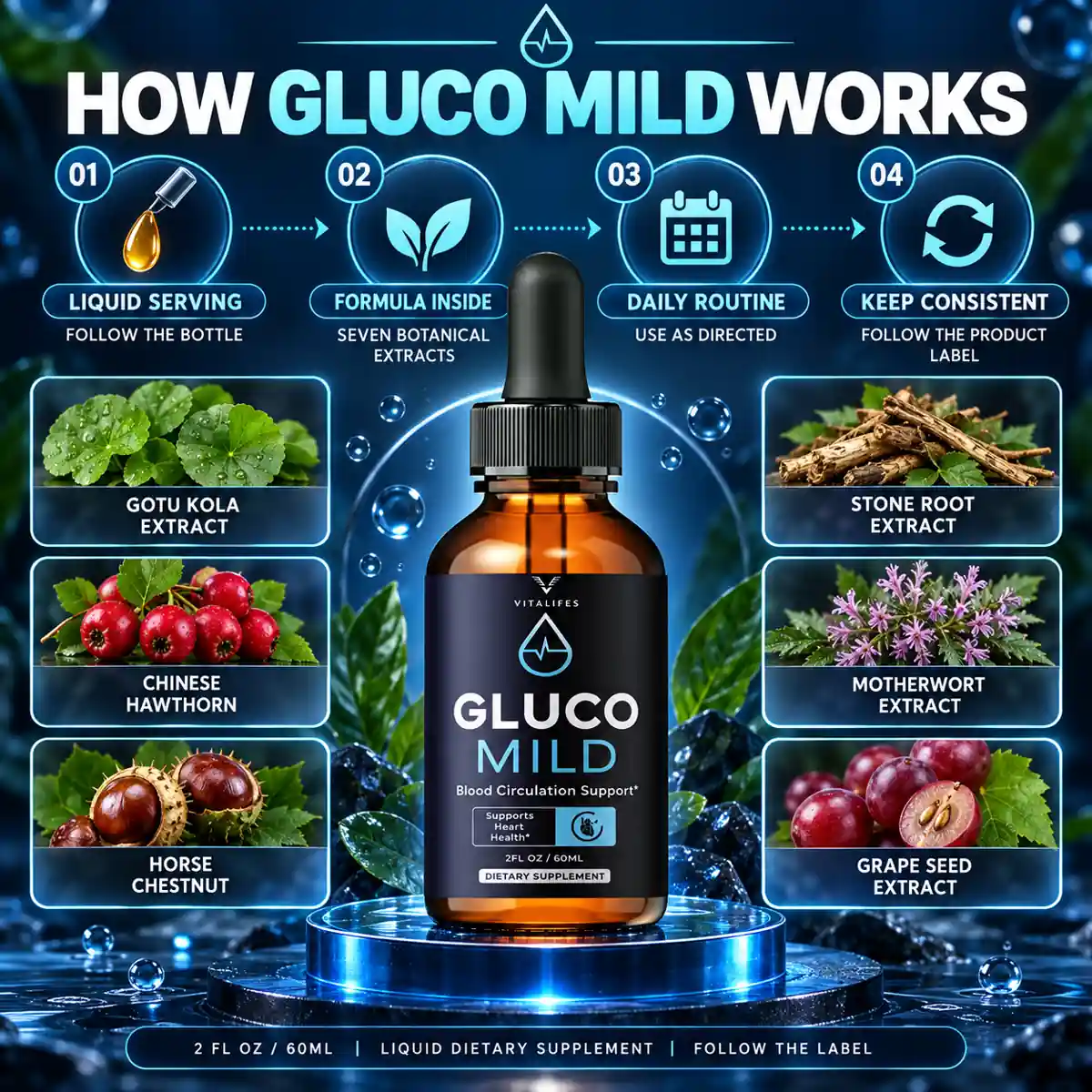
- Horse chestnut seed extract has a Cochrane review concluding it improves leg pain, oedema and itching against placebo.
- The active constituents are a group of saponins collectively called aescin.
- The trials used tablets standardised to a stated aescin content, typically 50 mg twice a day for eight to twelve weeks.
- The evidence is for the seed. Other parts of the plant are a different subject.
- This label names the plant without the part, the standardisation or the amount, so the trial figures cannot be lined up against it.
What the record actually says
The 2012 Cochrane review pooled the randomised controlled trials of horse chestnut seed extract in chronic venous insufficiency. The reviewers came down in favour of it over the short term, on both efficacy and safety, and said in the same breath that the field needed larger and better-run trials.
That conclusion did not arrive suddenly. a criteria-based systematic review published in 1998 had reached a compatible position more than a decade earlier, and the plant also appears by name in the 2020 Cochrane review of phlebotonics, which assessed the venoactive class as a whole.
For a botanical sold in a supplement aisle, that is an unusually solid position. Most plants in this category have a handful of trials of mixed quality. This one has a systematic review with a favourable conclusion and a coherent proposed mechanism behind it.
| What the Cochrane review looked at | What it found |
|---|---|
| Leg pain | Improved against placebo across the trials that measured it. |
| Leg volume and oedema | Reduced against placebo, with the effect measured rather than reported by impression. |
| Itching | Improved in the trials that recorded it. |
| Adverse events | Generally mild and infrequent: gastrointestinal complaints, dizziness, itching. |
| Overall certainty | The authors describe the evidence as suggestive of efficacy, with trial quality and duration as the main limitations. |
Summarised from the 2012 Cochrane review of horse chestnut seed extract for chronic venous insufficiency, cited in full below.
What aescin is, and why standardisation matters
The activity is attributed to a group of triterpene saponins collectively called aescin. A 2023 account of the seed’s chemistry describes the family in detail: escins, isoescins, transescins and desacylescins, a related but distinguishable set rather than a single compound.
That detail matters for a practical reason. When a trial reports a dose of horse chestnut, the meaningful figure is not the weight of plant material; it is how much aescin that weight carries. Two hundred milligrams of an extract standardised to twenty per cent aescin and two hundred milligrams of an unstandardised powder are the same weight of two different things.
This is why every trial in the literature specifies a standardised preparation. It is also why a label naming the plant and nothing else has not given you enough information to place it, however large the number beside it.
The dose the trials ran at
An eight-week open study of standardised tablets used 50 milligrams of seed extract twice daily, which is the figure most frequently seen in this literature. The trials pooled by Cochrane ran in a similar region, over eight to twelve weeks.
Two things about that window are worth holding on to. First, nothing was measured in week one. The endpoints were read at the end of a course, not at the start of one. Second, the measurements were objective: leg volume, ankle circumference, recorded symptom scores. Nobody was asked for an impression.
That combination — a specified preparation, a stated daily amount, an objective endpoint at a stated week — is what makes a finding usable. Remove any one of the three and the result stops being something another product can be compared against.
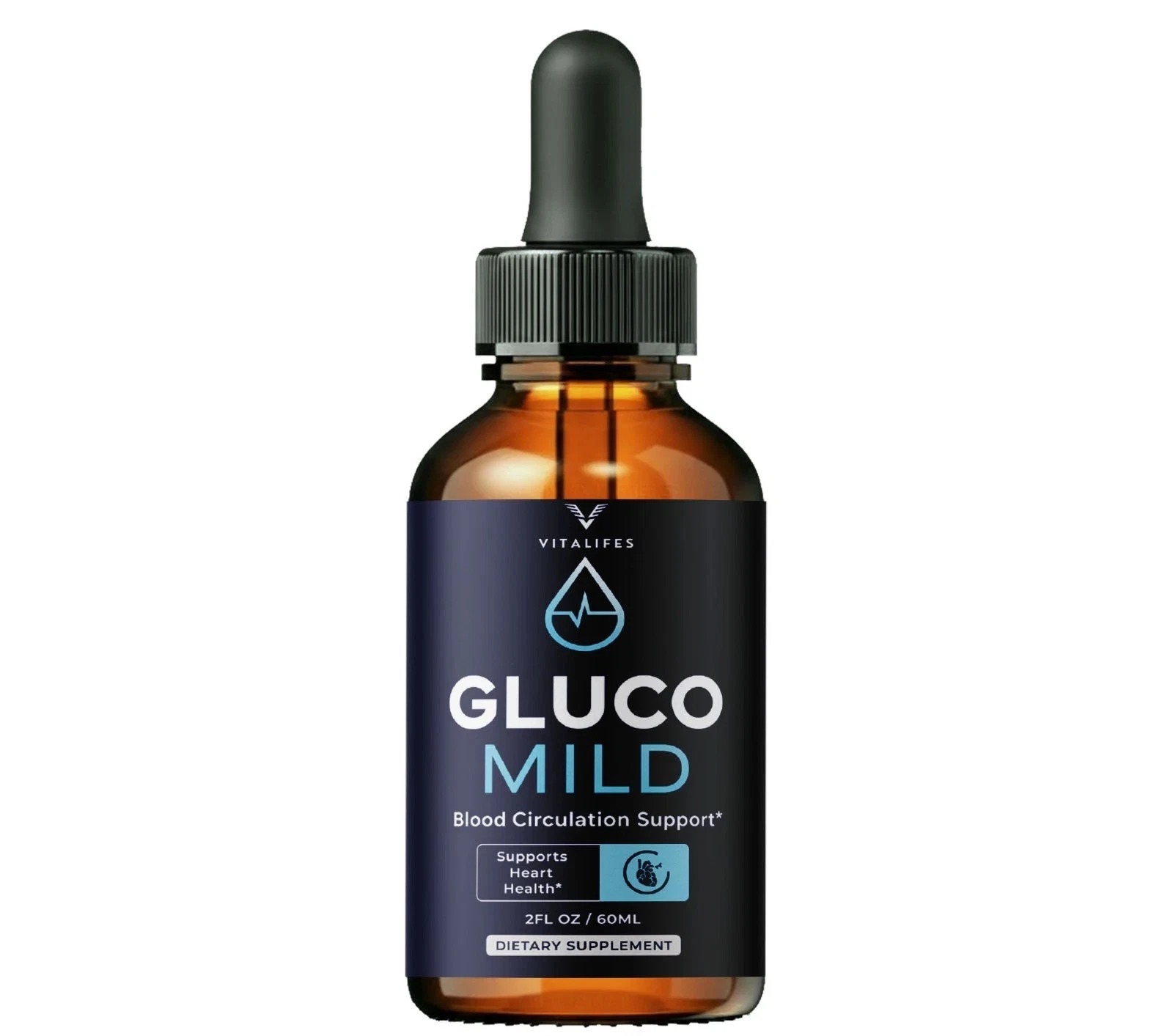
See where horse chestnut sits on the Gluco Mild list
Fourth of seven, with the trial dose printed beside it and the label's own figure left where it is. The ingredients page carries all seven rows with a source against each one.
Seven named botanicals · 2 fl oz (60 ml) · price and return window shown at checkout
Order Gluco Mild On The Official WebsiteTwo drops daily after a meal · 2 fl oz (60 ml) a bottle · lot GLU-26/TH-7250
Why the part of the plant is not a detail
Every trial above used the seed. Not the leaf, not the bark, not the flower.
This is not pedantry about botany. Different parts of the same plant carry different compounds in different proportions, and aescin is concentrated in the seed. A preparation made from another part of Aesculus hippocastanum is a different preparation with a different chemistry, and the trial evidence does not follow it there.
It is also worth noting that the raw seed is not a food. Horse chestnut seeds are toxic before processing, which is precisely why the products in the literature are standardised extracts prepared for the purpose rather than ground conkers.
This label reads “Horse Chestnut Extract” and stops. The distributor's paperwork gives the species. Neither names the part. On a plant where the part is the whole question, that is the single most useful line the label could have carried and did not.
What the trials did not test
A systematic review with a favourable conclusion is an invitation to overread it, so the boundaries are worth setting out.
The trials were short. Eight to twelve weeks is long enough to measure a change in leg volume and far too short to say anything about what happens over years. Nobody has run a five-year trial of horse chestnut seed extract, and the honest position on long-term use is that it is unstudied.
The trials measured symptoms rather than disease progression. Leg pain, oedema and itching improved. Whether valve function changed, whether the underlying condition advanced more slowly, whether anybody avoided a later procedure — none of that was measured, and none of it can be inferred from a symptom score.
And the populations were people with diagnosed chronic venous insufficiency, identified by examination. That is a clinical group. It is not the same population as everybody whose legs feel heavy on a warm afternoon, and a result in the first does not automatically describe the second.
A specified preparation, a stated daily amount, an objective endpoint, a named population and a stated duration. Horse chestnut has all five. What it does not have is any of them in common with a two-drop serving of a seven-plant tincture.
What a seven-plant tincture inherits from this
Here is the comparison set out directly, because it is the point of the post.
| What the trials used | What this label carries |
|---|---|
| Seed extract, standardised to a stated aescin content | “Horse Chestnut Extract”, with no part and no standardisation stated |
| 50 mg of standardised extract, twice daily | No amount |
| Eight to twelve weeks of continuous use | Two drops daily, for as long as you continue |
| A single-ingredient tablet in most trials | One of seven botanicals in a shared liquid |
| Leg volume measured at the start and the end | No measurement of any kind |
The left column is what produced the evidence. The right column is what is in front of you. The distance between them is the subject of this post.
The honest reading of that table is not that the product is worthless. It is that the evidence and the bottle are two different objects, and a reader who assumes the first travels automatically into the second has made an assumption nobody has tested.
It is also worth saying what a combination product plausibly is. Several of the trials in this category tested combinations rather than single plants — the butcher's broom literature is largely a combination with hesperidin and vitamin C — so a multi-plant formula is not inherently an unstudied idea. What is unstudied is this particular combination, at this particular set of unstated amounts, in this particular liquid.
The safety record, which is the quiet good news
One part of this literature is easy to skip and worth reading. The Cochrane review recorded adverse events as generally mild and infrequent: gastrointestinal complaints, dizziness, headache and itching, at rates close to placebo across most of the pooled trials.
That is a reassuring record for a plant whose raw seed is toxic before processing, and it is a consequence of the preparations in those trials being standardised extracts made for the purpose. It is also one reason the plant is still on shelves decades after the first reviews.
Two caveats belong beside it. The safety record applies to the preparations that were tested, at the doses that were tested, over the durations that were tested, which is the same sentence as everything else in this post. And a favourable safety profile is not evidence of an effect: a preparation can be both harmless and useless, and the two questions are answered by different parts of a trial.
The interaction picture for this bottle as a whole sits elsewhere. Hawthorn and grape seed are the two names on this label with specific interactions on record, and the side effects page names both with the studies behind them.
A fair reading
- Horse chestnut seed extract has better evidence than most things on a supplement shelf, and saying so is not salesmanship.
- That evidence is specific to a standardised seed extract at a stated daily amount over eight to twelve weeks.
- This label names the plant without the part, the standardisation or the quantity.
- So the correct statement about this bottle is that it contains an ingredient with good evidence behind it, at an amount nobody outside the manufacturer knows.
- That is a genuinely different sentence from “this bottle is supported by a Cochrane review”, and the difference is the whole of this post.
A reader who wants the trial preparation can buy a standardised single-ingredient horse chestnut product, and several exist. A reader who wants a seven-plant tincture is buying something else, for reasons that may be perfectly good ones, and should know which of the two they are doing.
References
- Pittler MH, Ernst E. Horse chestnut seed extract for chronic venous insufficiency. Cochrane Database Syst Rev. 2012;11(11):CD003230. PMID 23152216. https://pubmed.ncbi.nlm.nih.gov/23152216/
- Pittler MH, Ernst E. Horse-chestnut seed extract for chronic venous insufficiency. A criteria-based systematic review. Arch Dermatol. 1998;134(11):1356-60. PMID 9828868. https://pubmed.ncbi.nlm.nih.gov/9828868/
- Dickson S, Gallagher J, McIntyre L, et al. An open study to assess the safety and efficacy of Aesculus hippocastanum tablets (Aesculaforce 50mg) in the treatment of chronic venous insufficiency. J Herb Pharmacother. 2004;4(2):19-32. PMID 15364642. https://pubmed.ncbi.nlm.nih.gov/15364642/
- Savarino P, Colson E, Andre J, et al. Horse Chestnut Saponins-Escins, Isoescins, Transescins, and Desacylescins. Molecules. 2023;28(5):2087. PMID 36903330. https://pubmed.ncbi.nlm.nih.gov/36903330/
- Martinez-Zapata MJ, Vernooij RW, Simancas-Racines D, et al. Phlebotonics for venous insufficiency. Cochrane Database Syst Rev. 2020;11(11):CD003229. PMID 33141449. https://pubmed.ncbi.nlm.nih.gov/33141449/