Gluco Mild Official Website › Blog › Gluco Mild Ingredients: 7 Names
Gluco Mild Ingredients: A 7-Name Checklist
Quick answer. Seven plant extracts are listed, among them gotu kola, hawthorn, horse chestnut and grape seed, plus stone root, motherwort and butcher's broom. Human trials exist for five. None exists for stone root or motherwort. Because no amount is printed for any plant, no trial dose can be matched to the bottle.
Look at the bottle behind the list
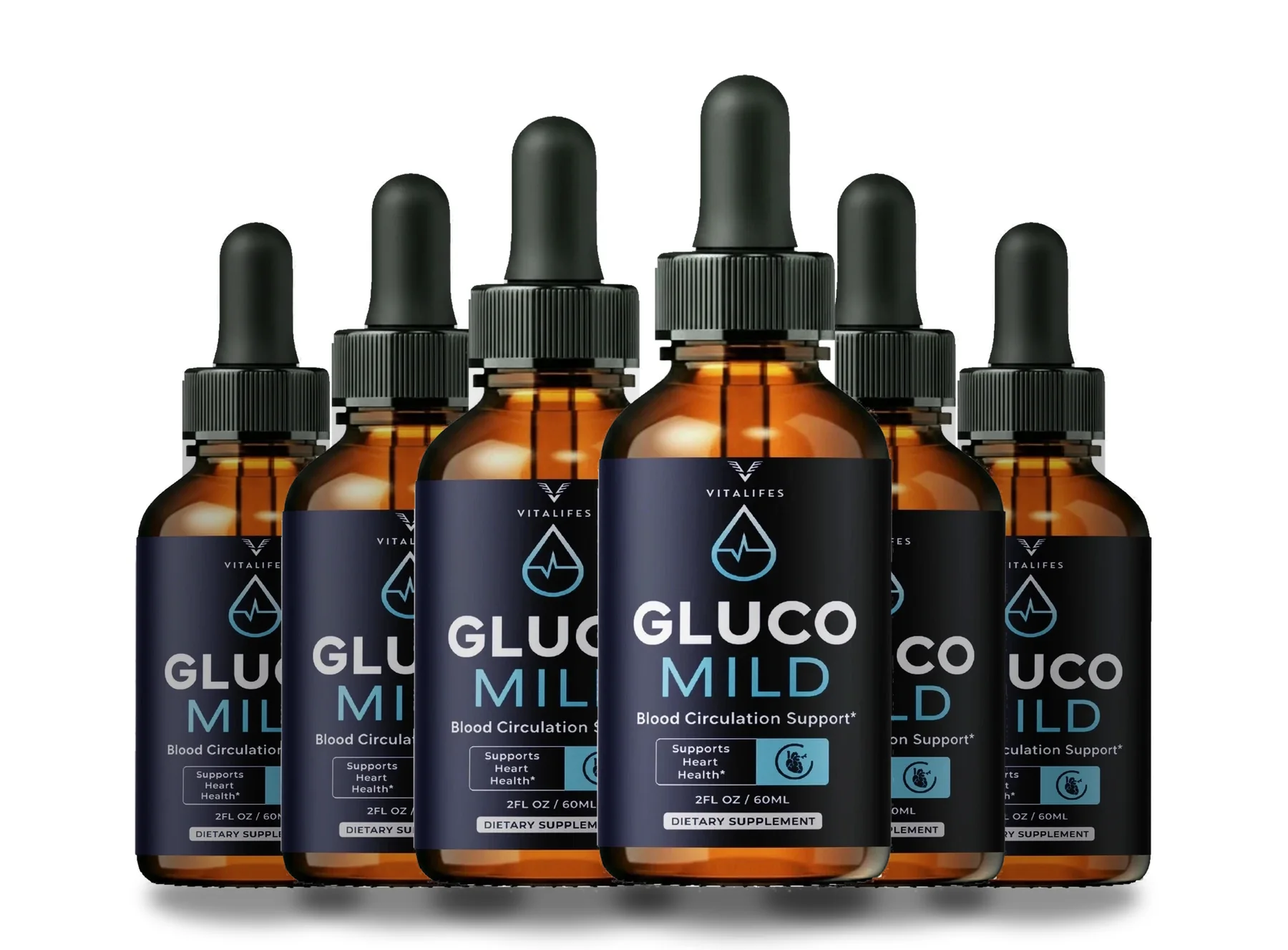
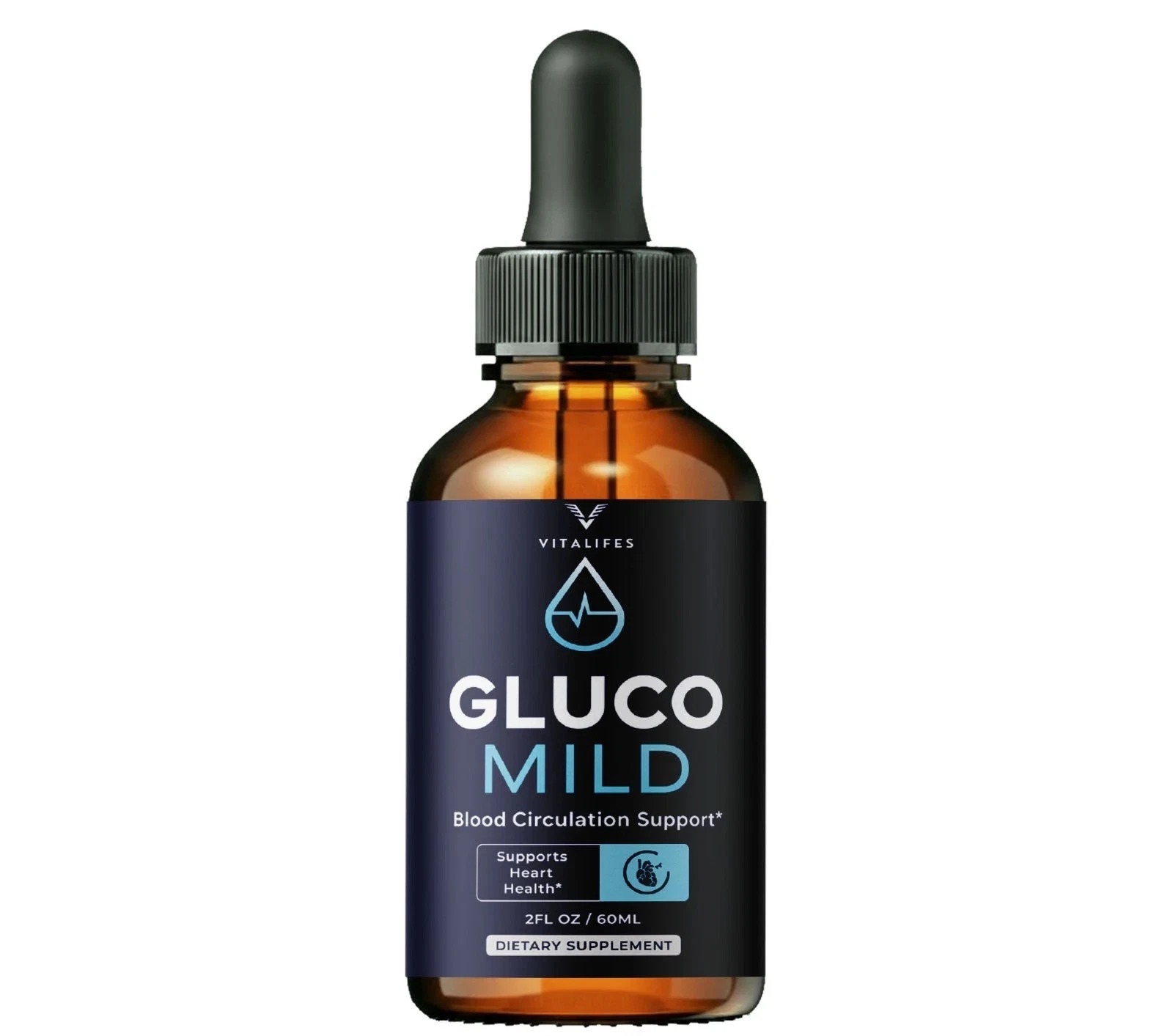
The order page shows the same amber dropper bottle and lets you read the price and return window before you commit.
See today’s price and guaranteeDisclosure: this website is a retailer and earns money when you buy through its checkout. Not FDA approved, like every supplement. Two drops daily after a meal · 2 fl oz (60 ml) a bottle.
- The seller's ingredient graphic lists seven botanical extracts, and the distributor's notes give the same seven in the same order.
- Human trials exist for five of the seven. For stone root and motherwort, none exists at any amount.
- Not one ingredient has an amount printed, and the label has neither a Supplement Facts panel nor a line for other ingredients.
- Published trials counted milligrams. This bottle counts drops, so the comparison cannot be finished.
- Hawthorn has a recorded interaction with digoxin, grape seed thins the blood in laboratory tests, and motherwort is the reason pregnancy is excluded.
- Four of the seven are assessed by name in the 2020 Cochrane review of phlebotonics.
What is on the Gluco Mild ingredients list?
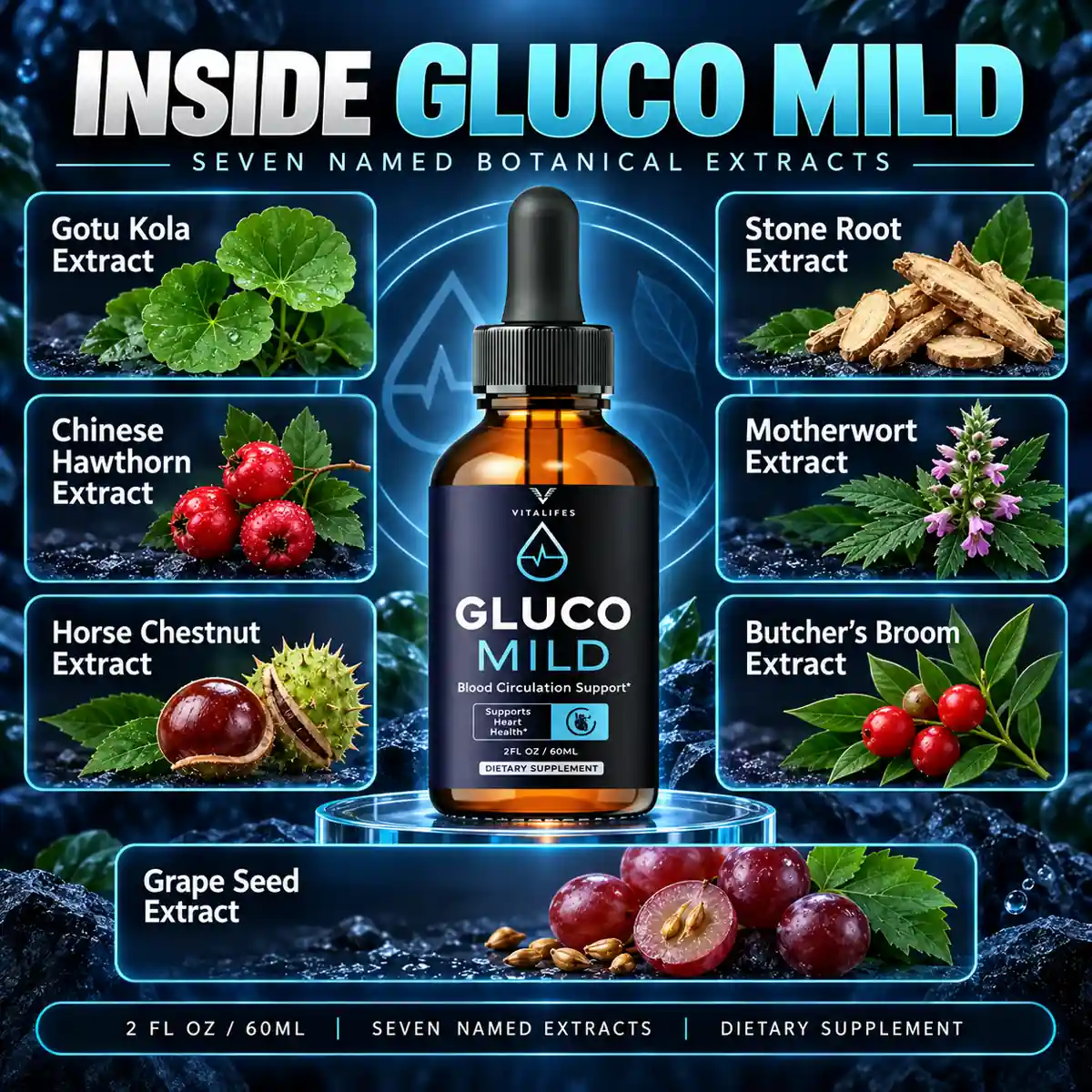
A seller graphic carries the heading INSIDE GLUCO MILD, with SEVEN NAMED BOTANICAL EXTRACTS below it. In order, it shows Gotu Kola, Chinese Hawthorn, Horse Chestnut, Stone Root, Motherwort, Butcher's Broom and Grape Seed, and the distributor's notes agree.
That is everything the list offers: a set of names. It has no column for amounts, no serving size, no percent daily value, no blend total and no other-ingredients line. A liquid must also have a carrier base, and the artwork says nothing about it.
Treat the Gluco Mild ingredients list as a sketch of the kind of product you are looking at. The Gluco Mild formula is a seven-plant liquid, and the artwork reveals nothing more. The seven checks below show what each name stands for.
Name 1: What is gotu kola (leaf) and what did trials use?
Gotu kola here means the leaf of Centella asiatica. The human studies did not test plain leaf. They used a standardised total triterpenic fraction, 180 mg a day, split into three doses, in people with venous hypertension. A separate placebo-controlled study ran for twelve months on the same kind of fraction.
For you, that means the research supplies a clear number, which is unusual for a herb. The bottle supplies none, and a leaf extract in a dropper may not match a purified fraction in any case.
Name 2: What is Chinese hawthorn (fruit) and where does its evidence come from?
Hawthorn owns the biggest trial on the list. It gave the standardised extract WS 1442, 900 mg a day, for 24 months, next to prescribed heart-failure treatment. Those volunteers had a diagnosis and were under a doctor's care.
A dropper bought online is a very different setting. Hawthorn is also the ingredient with a measured digoxin interaction, studied in people. Anyone taking digoxin or another prescribed heart medicine should show the label to the prescriber first.
Name 3: What is horse chestnut and why does the part matter?
Horse chestnut is Aesculus hippocastanum. Studies used a standardised seed extract, for instance 50 mg twice a day over eight weeks. The graphic names the plant but not the part, so it cannot tell you which part went in.
It has the tidiest record on the list. A Cochrane review of the seed extract found less leg pain, swelling and itching than with placebo in chronic venous insufficiency. The usual complaints in the trials were stomach upset, dizziness and itching, which helps explain why the label wants the drops after food.
Name 4: What is stone root (root) and what is the evidence?
Stone root, Collinsonia canadensis, grows in North America. No human trial of it exists at any dose. What survives is one 1999 paper on its chemistry and two nineteenth-century case notes, one of them an 1887 note in a British journal.
It sits on the list through tradition. We claim no effect for it, and you should not assume one.
Name 5: What is motherwort and what should pregnant readers know?
Motherwort is Leonurus cardiaca. No human heart or circulation trial exists at any dose. The record consists of traditional use plus laboratory work on cells and animals.
One safety point is firm. Compounds in this plant, its alkaloids and flavonoid glycosides, act on the muscle of the womb. That is why Gluco Mild is not for anyone who is pregnant, nursing or trying to conceive. The reason is specific, not a vague caution.
Name 6: What is butcher's broom (root) and why does the combination matter?
Butcher's broom is Ruscus aculeatus. One trial gave 150 mg of root extract twice a day for twelve weeks. In the pooled trials the extract was combined with hesperidin methyl chalcone and vitamin C.
Any result therefore belongs to all three together, and this label names neither of the other two.
Name 7: What is grape seed and what do the studies say about blood pressure?
Grape seed comes from Vitis vinifera. Trials gave a proanthocyanidin extract, 200 to 400 mg daily, over twelve to sixteen weeks, to people with raised blood pressure.
Two cautions follow. In laboratory work, grape seed polyphenols slow clotting and platelets, so anyone on warfarin or another blood thinner should tell their doctor before starting. And Gluco in the name does not mean blood sugar, because the label makes no blood sugar claim.
Which Gluco Mild ingredients have the strongest and the weakest evidence?
It helps to sort the seven. Horse chestnut, butcher's broom and gotu kola form the vein-tone group, with trials on leg symptoms. Hawthorn stands alone in the heart literature. Grape seed is studied for the lining of arteries. Stone root and motherwort are there on tradition.
For the vein-tone category as a whole, the 2020 Cochrane review of phlebotonics reports a slight effect on swelling, with certainty at best moderate. Keep the word slight in mind.
A trial result belongs to the exact preparation and daily amount used in that trial. It does not travel with a plant name onto another bottle.
What does the label print, and what did the trials use?
| Botanical | Amount on the label | What published trials used |
|---|---|---|
| Gotu kola (leaf) | None printed | A standardised fraction at 180 mg daily, in three doses, in venous hypertension |
| Chinese hawthorn (fruit) | None printed | Extract WS 1442 at 900 mg daily for 24 months, next to prescribed heart-failure treatment |
| Horse chestnut | None printed | Standardised seed extract, 50 mg twice daily, eight weeks |
| Stone root (root) | None printed | No human trial at any dose |
| Motherwort | None printed | No human cardiovascular trial at any dose |
| Butcher's broom (root) | None printed | Root extract, 150 mg twice daily, twelve weeks; in pooled trials combined with hesperidin methyl chalcone and vitamin C |
| Grape seed (seed) | None printed | Proanthocyanidin extract, 200 to 400 mg daily, twelve to sixteen weeks |
The right-hand column is trial data and says nothing about what is in this bottle. Trials count milligrams, while this product is counted in drops.
What is missing from the Gluco Mild ingredients list?
- An amount for each ingredient, and a total for the formula.
- Any word on standardisation, although most trials used standardised extracts.
- The plant part for horse chestnut and motherwort.
- A line for the carrier base, for alcohol and for allergens.
- An independent test report. The public record holds none for this bottle.
If one of these matters to you, say because you avoid alcohol or animal products, the artwork cannot settle it. Phone the order desk on +1 (302) 200-3480 with the lot number from your bottle at hand. All seven named extracts come from plants, but the base liquid is not described.
Frequently asked questions
How many ingredients does Gluco Mild have?
Seven plant extracts are named, from gotu kola and hawthorn to butcher's broom and grape seed. The liquid also needs a carrier base, which the artwork does not describe.
Is there a printed amount for each plant?
No. Nothing is printed for any plant, and no Supplement Facts panel appears on the label, the seller graphics or the pack photos.
Which ingredient has the best evidence?
Horse chestnut seed extract has the tidiest record for leg symptoms. Hawthorn has the biggest single trial, though in diagnosed heart failure and next to prescribed treatment.
Which ingredients have no human trials?
Stone root and motherwort. Neither has a human trial at any amount, and both are listed because of traditional use.
Is grape seed in Gluco Mild for blood sugar?
No. The label has no blood sugar claim, and glucose, insulin and A1c go unmentioned. Gluco is a brand name.
Does Gluco Mild contain anything from animals?
The seven named extracts all come from plants. The artwork does not describe the carrier base, so a strict vegan needs the bottle in hand or a call to the order desk.
Our view
Seven plant names do not make a dose. That is the plain summary of the Gluco Mild ingredients. The names are real, five have human trials, and together they read as a circulation and heart set. Yet the one number that would let you compare the bottle with a study is missing.
If you are happy to buy a formula on the strength of its names, the two-drop routine is small and simple. If you want amounts before you buy, this is the wrong bottle, and that is a reasonable view.
Either way, read the safety notes. Leave it alone if you are pregnant, nursing, trying to conceive or under 18, and see your doctor first if you take digoxin or a blood thinner.
Take the seven names to a doctor if you take medicine
If none of the safety checks apply to you, one bottle is a small way to test a two-drop routine.
See today’s price and guaranteeDisclosure: this website is a retailer and earns money when you buy through its checkout. Not FDA approved, like every supplement. Two drops daily after a meal · 2 fl oz (60 ml) a bottle.
Sources named on this site
- The 2020 Cochrane review of phlebotonics for venous insufficiency, by Martinez-Zapata and colleagues. https://pubmed.ncbi.nlm.nih.gov/33141449/
- The Cochrane review of horse chestnut seed extract, named on this site. https://pubmed.ncbi.nlm.nih.gov/23152216/
- The SPICE trial of the standardised hawthorn extract in heart failure. https://pubmed.ncbi.nlm.nih.gov/19019730/
- The digoxin interaction study with a hawthorn preparation. https://pubmed.ncbi.nlm.nih.gov/12817526/